Oklahoma Trout Fishing
Oklahoma trout fishing works differently from one area to another. If you’re targeting stocked trout in a pond, see our guide to the best bait for stocked trout. Planning other freshwater trips too? Compare our best fishing lakes in Oklahoma guide. Some tailwaters are managed for year-round opportunity, while many ponds and streams are stocked seasonally in cooler months. Stocking dates can shift with water temperature, weather, flow and fish availability, so check the latest ODWC information before making the drive.
For a first trip, choose the type of water that fits your plan: a year-round river, a seasonal stocked area or a close-to-home pond. Then read the regulations for that exact area. Oklahoma’s trout rules are not identical everywhere.
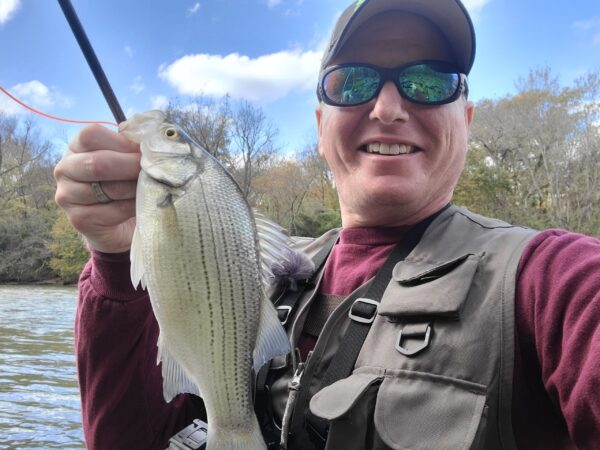
OFA Lower Illinois River image. Use ODWC for current trout-area boundaries and rules.
Where to go trout fishing in Oklahoma
The ODWC trout area information page is the best starting point for maps, boundaries, access notes and special rules. It lists areas such as the Lower Mountain Fork, Lower Illinois River, Blue River, Robbers Cave, Sunset Lake, Medicine Creek, Lake Carl Blackwell Turtle Pond and urban Close to Home locations. Confirm the destination is active and open before traveling.
Year-round river opportunities
Oklahoma has two designated year-round trout rivers: the Lower Mountain Fork below Broken Bow Reservoir and the Lower Illinois River below Tenkiller Dam. The Lower Mountain Fork’s designated stretch runs from the reservoir spillway to the U.S. Highway 70 bridge. The Lower Illinois is also designated year-round, but ODWC has posted a temporary stocking suspension tied to hatchery supply; check its current notice and weekly fishing report before planning around a recent stocking.
The Lower Illinois River below Tenkiller Dam is another year-round trout area. Special regulations apply in some sections, including a segment where only artificial flies and lures and barbless hooks are allowed. Check the current Lower Illinois and Mountain Fork maps; a rule for one stretch may not apply to the whole river.
OFA has Lower Illinois River fly-fishing coverage and a Lower Illinois striped-bass trip. Those stories give related river context. Use ODWC for current trout boundaries and rules.
Seasonal trout areas
Seasonal trout waters include both rivers and still waters. ODWC lists Blue River for Nov. 1–March 31; Fourche Maline River at Robbers Cave and Medicine Creek for Nov. 1–March 15; Sunset Lake and Lake Carl Blackwell Turtle Pond for Nov. 1–March 31; and the Route 66 Park and Edwards Park ponds in Oklahoma City plus Veterans Pond in Jenks for Dec. 1 through the end of February. These windows and active sites can change. ODWC says Lake Watonga stocking is suspended indefinitely and Lake Boecher stocking is paused, so older lists may be out of date. The ODWC trout information page says stocking is tentative and may change with conditions.
Treat the schedule as a planning window, not a promise that fish were stocked on a specific day. Check the latest ODWC fishing reports, then confirm the area page or local manager if your trip depends on a particular stocking.
A simple approach for stocked trout
Light tackle makes small baits and lures easier to present. ODWC recommends ultralight tackle, 4-to-6-pound line and small hooks. Small spinners, jigs, flies and permitted bait can all work. Start near deeper pools, current breaks, rocks or logs, then adjust if fish are not showing.
Before fishing, check whether the area allows bait, requires barbless hooks or has a catch-and-release section. A method that is legal at one access may be prohibited nearby.
Check the regulations before keeping trout
ODWC lists a general daily limit of three trout in many designated areas, but the Lower Illinois, Lower Mountain Fork and other sections have exceptions. Area rules may include size limits or method restrictions. Trout placed in possession cannot be released later, so decide whether you are keeping a fish before putting it on a stringer or otherwise holding it.
A fishing license is generally required unless you qualify for an exemption. Read the current ODWC trout regulations and our Oklahoma fishing license guide before you leave.
A short trout-trip checklist
- Pick a designated area and review its map and boundaries.
- Check the current stocking report and water conditions.
- Read the exact method, hook, size and harvest rules for that section.
- Confirm parking and public access, and follow local rules.
- Clean and dry waders and gear after fishing to help prevent spreading aquatic nuisance organisms.
Frequently asked questions
When does trout season start in Oklahoma
It depends on the water. Some tailwaters offer year-round fishing, while many seasonal areas are stocked beginning in fall or early winter. See the current ODWC page for your destination.
Where can I find the Oklahoma trout stocking schedule
Start with ODWC’s Trout Information page and weekly reports. Stocking is tentative and may change with weather, water conditions and fish availability.
Can I keep trout in Oklahoma
Harvest is allowed in many areas, but daily limits, size rules and methods vary. Check the exact water and section on the current ODWC trout regulations page.
Do I need a license to fish for trout
A fishing license is generally required unless an exemption applies. Review our license guide and verify your situation with ODWC.
A good Oklahoma trout trip starts with the right area page. Check the water, stocking update, access and rules for that stretch, then bring a light setup and be ready to adjust.
One Comment