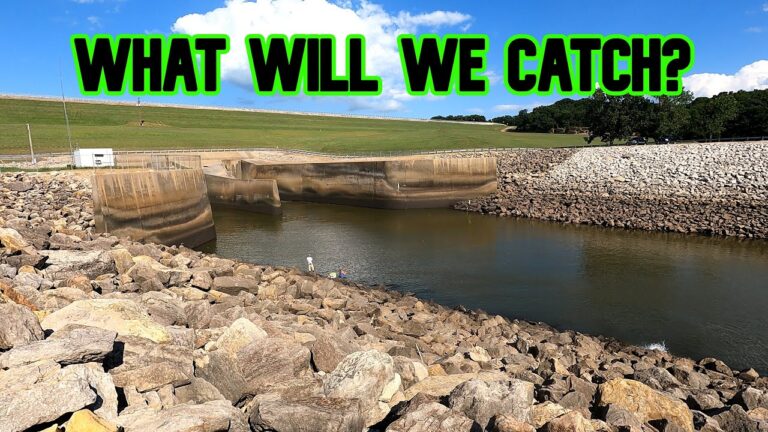
How to Fish Oolagah Dam in Oklahoma
Oolagah Dam is one of those Oklahoma fishing spots where you can approach the water a few different ways depending on the season, conditions, and species you want to catch. The dam and the river below it can offer opportunities for anglers fishing artificial lures, cut bait, or a simple combination of both.
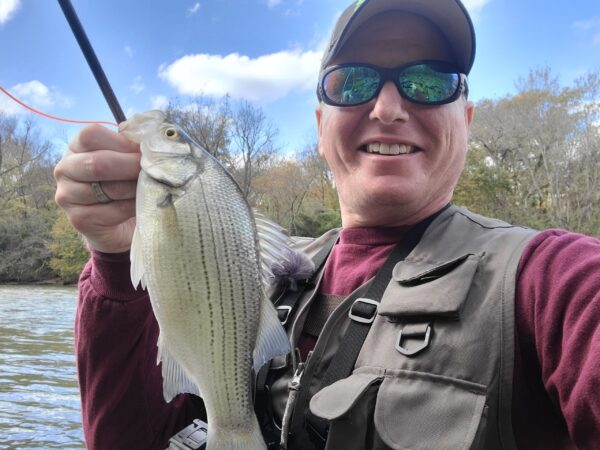
In one of our Oklahoma Fishing Adventure trips, we fished Oolagah Dam during a hot summer day, tried artificial baits, and then switched to cut bait and caught keeper catfish. That experience is a good reminder that changing tactics can make a big difference when the fish are not cooperating with your first presentation.
Why Fish Oolagah Dam?
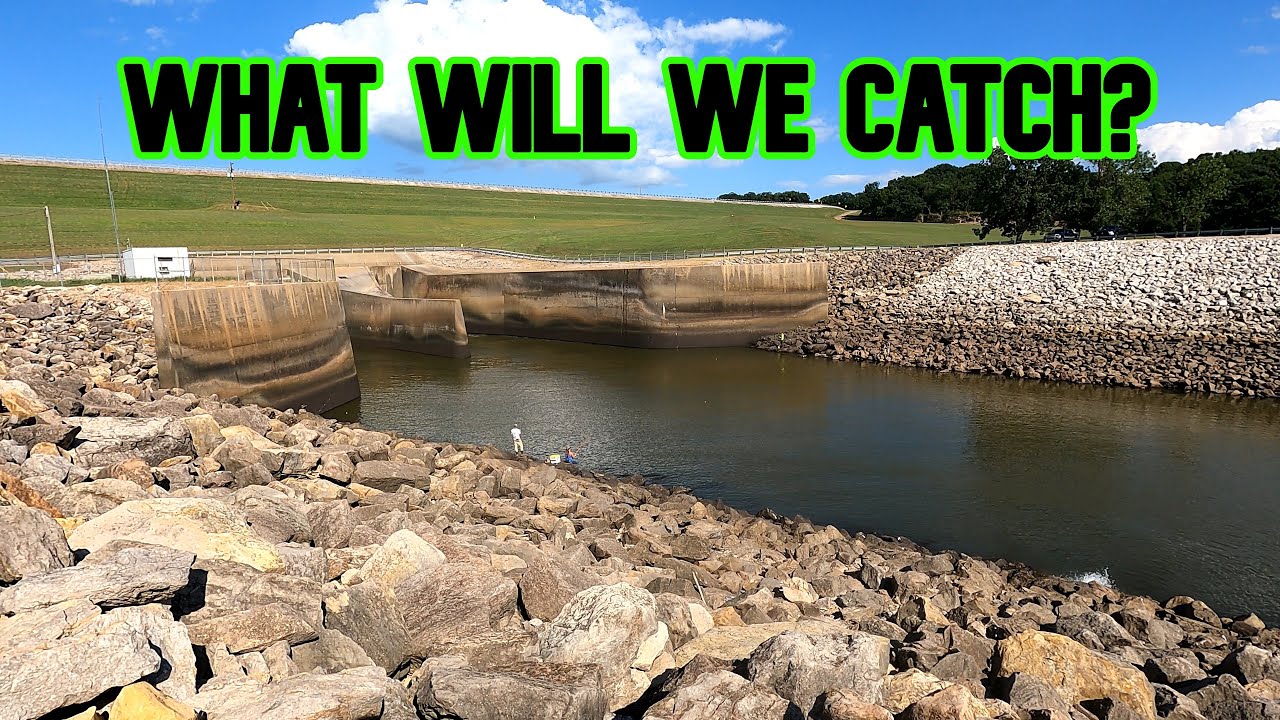
Dam areas are worth exploring because current, structure, and changes in water depth can concentrate fish. Oolagah Dam also gives anglers access to the water below the lake, creating a river-fishing environment that can fish differently from the main body of Oolagah Lake.
The key is to pay attention to what the water is doing. Current can move bait and create feeding opportunities, while changes in flow and water level can change where fish position.
Fishing Oolagah Dam in Hot Weather
Summer fishing can be challenging when Oklahoma temperatures climb toward triple digits. During hot weather, focus on periods when conditions are more favorable and watch how fish respond to current and available cover.
- Fish earlier or later when possible to avoid the worst heat.
- Look for current and areas where water movement concentrates bait.
- Bring enough water and sun protection for the conditions.
- Be prepared to change tactics if the fish are not responding.
Try Artificial Lures First
Artificial lures are a good starting point when you want to cover water and find active fish. Depending on the conditions, work lures around current, rocky areas, seams, and other places where fish can ambush bait.
The advantage is mobility. Instead of waiting in one location, you can make casts and quickly learn which areas have activity.
When Cut Bait Makes Sense
If artificial lures are not producing, cut bait can be a useful change of pace, especially when targeting catfish. In our Oolagah Dam trip, switching to cut bait produced a couple of keeper catfish after we had worked the area with artificial baits.
When using bait, keep your presentation simple and fish areas where current can carry scent and food toward waiting fish. Always follow Oklahoma fishing regulations for bait, species, and size or possession limits before keeping fish.
What Species Can You Target?
The dam and river environment can provide opportunities for several species, and the best target can change with season and water conditions. Catfish are one practical option when fishing with cut bait, while artificial lures can be used when predators are actively feeding.
Rather than locking yourself into one species, pay attention to what is actually biting and adjust your presentation accordingly.
A Simple Oolagah Dam Fishing Strategy
- Start by observing the current, water level, and visible bait activity.
- Use artificial lures to cover likely feeding areas.
- If the bite is slow, change location or switch presentations.
- Try cut bait when targeting catfish or when a stationary bait presentation makes more sense.
- Keep safety in mind around moving water, rocks, steep banks, and changing dam conditions.
Watch the Original Oklahoma Fishing Adventure Video
Our original Oolagah Dam video follows a summer fishing trip with Jesse. We tried artificial bait, changed tactics, and eventually caught keeper catfish on cut bait.
Watch: Oolagah Dam: A Summer Fishing Paradise!
Final Thoughts
Oolagah Dam is worth having on your Oklahoma fishing list because it gives you options. If fish are active, cover water with artificial lures. If that is not working, changing to cut bait and targeting catfish can turn a slow trip around.
The biggest lesson is simple: do not be afraid to change tactics. Sometimes the best fishing decision is the one you make after your first plan stops working.